Image generated with AI
Disney Houdini Lighting Transition Secrets from Official Paper

Diego Cortés
Author
Switching to new software can feel like stepping into unknown territory, especially when it involves the intricate art of lighting in animation. Disney’s journey transitioning to Houdini for Moana 2 reveals not just a technical upgrade, but a masterclass in human-centric design and creative empowerment. Based on insights from the official Disney SIGGRAPH 2025 paper, here are the most surprising and impactful lessons that can inspire artists and studios navigating complex technological shifts.
Building a Bridge Instead of Taking a Leap: Progressive Exposure to Houdini’s Complexity
Disney’s previous lighting tool was a centralized, straightforward interface, while Houdini introduced a sprawling procedural node-based system. Rather than forcing artists into an abrupt transition, Disney implemented a strategy of progressive exposure.
This meant gradually familiarizing artists with Houdini’s flexibility, allowing them to internalize its powerful procedural workflows over time. Such a measured approach avoided overwhelming users and preserved creative confidence.
“The strategy was to build a safe bridge to the new paradigm instead of asking artists to take a leap into the void.”
This lesson highlights the importance of respecting the user’s existing mental models during software migrations. It’s a reminder that adoption is as much about psychology and workflow harmony as it is about technology.
Custom Tools as Translators: How LightBox Centralizes Lighting Control in Houdini
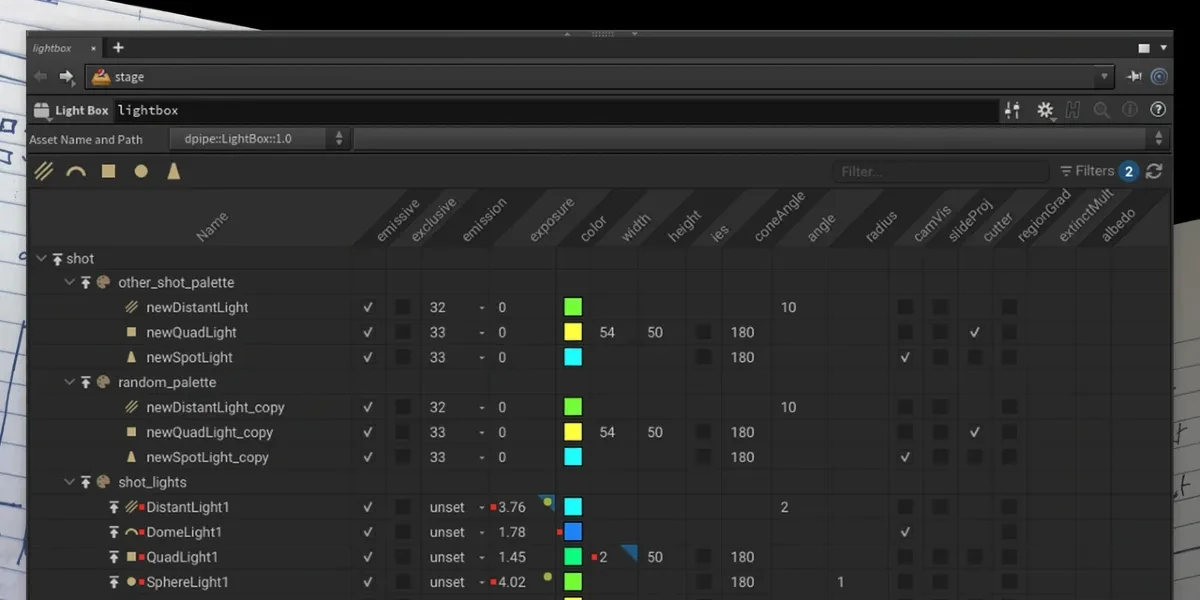
One of the biggest challenges with Houdini was that light properties were scattered across numerous nodes, complicating the artist’s overview. To solve this, Disney created LightBox, a custom tool that acts like a centralized dashboard within Houdini.
LightBox aggregates multiple lights into a single interface, mirroring the familiar centralized control artists had in their previous software. This thoughtful layering of custom tools on top of Houdini’s native ecosystem helped reduce cognitive load and speed up scene navigation.
“Our artists say LightBox is great for gaining a high-level view of the scene without diving into complex node networks.”
Disney’s choice to build tools that translate between old and new workflows teaches us the value of easing transitions with familiar touchpoints, rather than expecting immediate mastery of unfamiliar systems.
Templates as Creative Anchors: Balancing Freedom and Structure in Lighting Workflows
Houdini’s procedural nature offers near-limitless flexibility, but that can be daunting for artists used to more structured environments. Disney’s solution was to introduce templates—predefined lighting setups that provide a clear organizational framework without restricting creativity.
These templates break down complex scenes into manageable sections like collections, material overrides, lighting rigs, and render passes. Inspired by interface design and audio editing, this approach brings consistency and clarity to sprawling node graphs.
Sequence-level templates for broad lighting concepts
Package-level templates to organize related shots
Take-level templates for shot-specific adjustments
This practice shows how thoughtful constraints can paradoxically empower creativity by reducing decision fatigue and improving workflow clarity.
Designing for Independence: The Counterintuitive Goal of Phasing Out Custom Tools
Perhaps the most striking insight from Disney’s Houdini journey is their long-term vision: the custom tools like LightBox and templates are meant to be temporary. The ultimate goal is for artists to become fully self-sufficient within Houdini’s native environment.
By providing these “scaffolding” tools initially, Disney helped artists build confidence and skills at a comfortable pace. Over time, these supports will be removed, encouraging mastery of industry-standard workflows.
“We expect to eliminate some of our custom experiences in favor of Houdini’s native ones, aligning with our core design principles.”
This approach challenges the common notion that custom pipelines should be permanent crutches. Instead, it frames them as transitional aids toward artistic autonomy and standardized excellence.
Empathy as the Core of Technological Change: Co-Designing with Artists
Disney’s success was not just about coding or interface design—it was about deeply understanding the artists’ needs, habits, and anxieties. They involved lighting artists at every stage, from brainstorming through production, ensuring solutions were intuitive and genuinely empowering.
By prioritizing empathy, Disney turned a daunting technology shift into a collaborative creative evolution. They built bridges, not barriers, between old and new workflows.
This human-centered approach offers a powerful lesson for any studio or team adopting complex technology: the best tools grow from respectful dialogue and iterative feedback.
Disney’s Houdini lighting transition for Moana 2 exemplifies how technological innovation intertwined with empathy and strategic design can transform artistic workflows. As industries everywhere face rapid digital change, one must ask: how can we build bridges that empower creators rather than walls that intimidate them?
Image extracted from Walt Disney Publications Website